AFCON 2025 Group C: Uganda Face a Win-or-Go-Home Test Against Nigeria
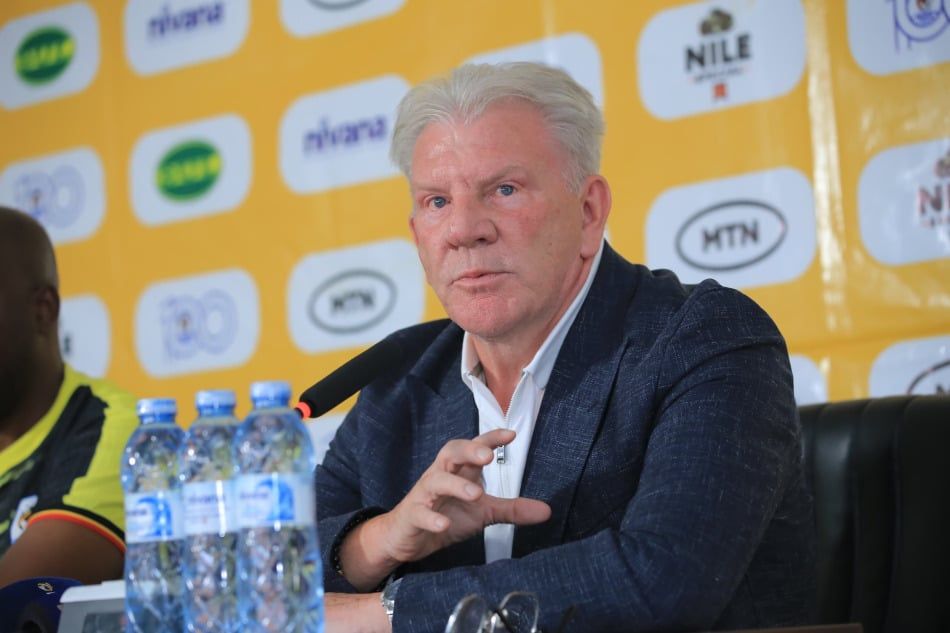
Uganda are heading into their final Group C match at AFCON 2025 with the kind of pressure that strips football down to its essentials: earn three points or start packing. Head coach Paul Put has made it clear he expects a brutally difficult night when the Cranes meet Nigeria’s Super Eagles, but he also insists his players can’t afford to drift into regret about what’s already happened.
This is the last group fixture, and for Uganda, it’s not simply another game on the calendar. It’s the hinge the tournament swings on.
Why the Nigeria Match Changes Everything for Uganda
After two matches, Uganda have only one point on the board from games against Tunisia and Tanzania. That single point leaves them with almost no margin for error. A draw doesn’t solve the problem, and hoping other results fall perfectly is a thin plan to build a campaign on.
So Put’s message is straightforward: the past games are done, and the only way forward is to approach the final fixture like a final.
In tournament football, teams sometimes try to “manage” a difficult match—keep it tight, limit damage, see what happens late. Uganda’s table situation doesn’t allow for that kind of cautious thinking. They need a result that moves them, and that means finding a way to win.
Nigeria’s Position: Qualified, but Still Motivated
Nigeria, by contrast, arrive with far less stress. The Super Eagles have already done enough to book a place in the knockout rounds. They don’t need to chase the game recklessly, and even a single point would be enough to secure top spot in the group.
That advantage matters. A team that only needs a draw can control risk: slow the tempo, choose when to press, and wait for opponents to overextend. For Uganda, that creates a tricky psychological trap—push too hard too early, and you can get punished; hesitate, and time runs out.
Paul Put’s Reality Check: “It Won’t Be Easy”
Put isn’t trying to sell a fairytale. He’s openly acknowledged the scale of the challenge in facing a side with Nigeria’s quality and depth. Nigeria’s reputation isn’t built on hype; they’re routinely one of the continent’s most dangerous teams, capable of deciding matches through individual brilliance, set-piece threat, or a ruthless transition when opponents lose the ball.
But Put’s response isn’t to lower expectations. It’s to sharpen the mentality.
He has urged his squad to keep believing, stay competitive, and fight through to the final whistle—because once you’re in a must-win scenario, the only approach that makes sense is full commitment.
The Mental Reset: Turning Disappointment Into Urgency
Uganda’s previous results have left the group campaign fragile, and Put has admitted the squad felt that disappointment. The key, though, is what happens next.
A reset in this context isn’t motivational talk. It’s a practical shift:
- Stop replaying missed chances from earlier fixtures.
- Treat the Nigeria match as its own story, not the final chapter of a frustrating run.
- Match intensity with discipline, because emotional football against a top opponent can unravel quickly.
Think of it like being behind late in a two-legged tie: panic doesn’t help, but neither does playing as if time is unlimited. Uganda need urgency with structure.
What “Fighting Until the Last Game” Looks Like on the Pitch
When coaches talk about belief, it can sound abstract. In a match like this, belief shows up in specific behaviours:
- Running beyond fatigue, especially tracking back after turnovers.
- Competing for second balls—often the hidden difference in tight tournament games.
- Staying switched on defensively, because one lapse can erase an entire night’s work.
- Making bold decisions in the final third, since playing safe rarely delivers the win a team needs.
For Uganda, the mission is clear but demanding: play with enough courage to threaten Nigeria, while staying organized enough to avoid being opened up.
A Final Group Game With Two Different Pressures
This fixture has the classic feel of a group-stage finale where both teams have something at stake—but not the same thing. Nigeria can approach the game with control, knowing a draw suits them. Uganda must chase victory, knowing the price of caution is elimination.
Put has framed it honestly: it’s a huge task, and the opponent is elite. But his wider point is even simpler—when you’ve reached the last match, and your tournament is on the line, there’s only one acceptable mindset.
Believe, reset, and fight to the end.