Cristiano Ronaldo at 40: Why the 1,000-Goal Chase Could Bring Him Back to Europe
Cristiano Ronaldo is not winding down. At 40, he is still setting targets that would sound unrealistic for players half his age. The latest is not a vague ambition but a clear number: 1,000 career goals. And in pursuing it, Ronaldo has made it clear that a return to European football is not off the table. This is not nostalgia talking. It is the mindset that has defined his career for over two decades.
The Milestone That Still Drives Him
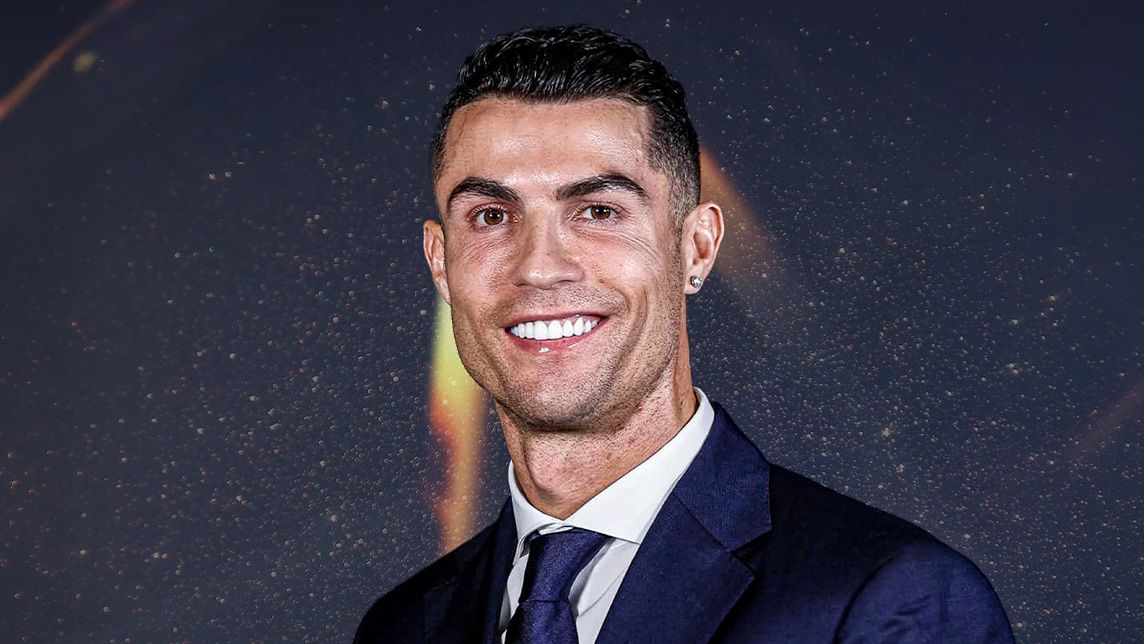
Ronaldo’s brace in Al-Nassr’s 3–0 win over Al Akhdoud pushed his career tally to 956 goals. That leaves him 44 short of a figure many once thought unreachable in the modern game. What stands out is not just the number itself, but how deliberately he speaks about it. At an awards event in Dubai, Ronaldo emphasised that his motivation remains intact. He is not chasing appearances or farewell tours. He is chasing output. For him, the math is simple. Stay fit, keep playing regularly, and the target will fall.
Location Is Secondary, Competition Is Not
One line from his recent comments carries weight: where he plays matters less than the act of playing itself. Whether in the Middle East or Europe, Ronaldo insists the hunger is the same. That statement quietly reopens a door many assumed was closed. European football offers denser competition, higher defensive intensity, and more matches that test elite forwards. For a player chasing history, that environment can be fuel rather than a risk. This is not a rejection of his time at Al-Nassr. It is an acknowledgement that his career decisions are still guided by challenge, not comfort.
Consistency Across Eras, Not Just Seasons
Ronaldo’s 40 goals in the current calendar year add to a pattern that borders on absurd. He has now crossed the 40-goal mark in 14 different calendar years. That spans tactical shifts, league changes, managers, teammates, and even footballing generations. His peak year remains 2013, when he scored 63 goals for club and country. What makes that figure relevant today is not nostalgia, but contrast. Even without approaching those heights now, Ronaldo’s baseline output still exceeds what most top strikers manage in their best seasons. Longevity, in his case, is not about surviving at the top level. It is about producing.
The Physical Question Everyone Is Asking
Ronaldo himself acknowledges the obvious variable: injuries. His confidence in reaching 1,000 goals comes with a condition: staying healthy. What often gets overlooked is how much control he has exerted over that variable throughout his career. Training discipline, recovery routines, and a near-obsessive focus on physical upkeep have allowed him to remain available when others fade. This does not make him immune to time. It does explain why his timeline still feels self-directed rather than forced by decline.
Retirement Is Closer, But Not Yet
In a recent interview, Ronaldo suggested he is likely one or two years away from retirement. That window aligns neatly with his numerical goal. It also reframes his final chapter. This is not a farewell stretch filled with ceremonial appearances. It is a targeted run toward a historic benchmark, possibly across different leagues, with no sentimentality attached. If he does return to Europe, it will not be to relive the past. It will be to finish something he started long ago.
A Career Still Written in the Present Tense
Ronaldo’s story has outlasted rivals, systems, and expectations. At 40, he is no longer compared to his peers. He is compared to records. Whether his next goals come in Riyadh or a European stadium, the theme remains unchanged. He is still chasing, still counting, still playing as if the end has not yet arrived. And for a player who has built a career on defying timelines, that should surprise no one.